
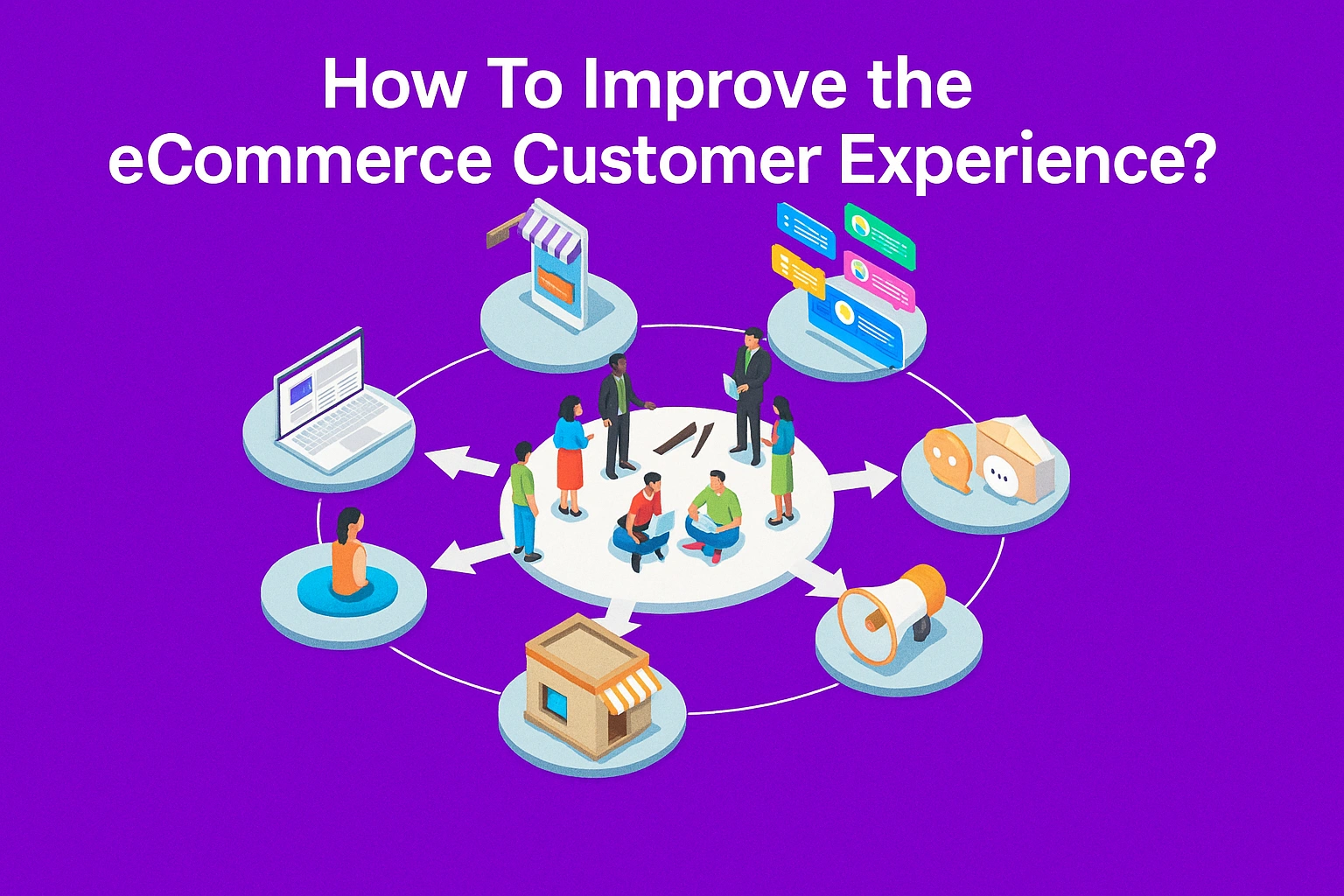
How To Improve the eCommerce Customer Experience?
In today’s competitive online marketplace, improving the eCommerce customer experience is crucial for success. A positive customer experience can lead to increased sales, customer loyalty, and positive word-of-mouth marketing. This blog post will explore effective strategies to enhance your online store’s user experience and keep customers coming back for more.
Personalize the Customer Experience:
One of the most effective ways to improve the eCommerce customer experience is through personalization. By tailoring the shopping experience to individual customers, you can create a more engaging and relevant environment that encourages purchases and builds loyalty.
Here are some ways to personalize the customer experience:
- Use customer data to recommend products based on browsing and purchase history
- Implement a loyalty program that offers personalized rewards and discounts
- Send targeted email campaigns with personalized product recommendations
- Use dynamic content on your website to show different products or offers based on user behavior
For example, Amazon’s recommendation engine is a prime example of personalization done right. By analyzing customer data, Amazon can suggest products that are likely to interest each individual shopper, leading to increased sales and customer satisfaction.
Make Shopping Mobile Friendly:
With more and more consumers shopping on their mobile devices, it’s essential to ensure your eCommerce site is mobile-friendly. A responsive design that adapts to different screen sizes and a streamlined mobile checkout process can significantly improve the customer experience for mobile users.
Consider the following tips to make your eCommerce site mobile-friendly:
- Use a responsive design that adjusts to different screen sizes
- Optimize images and content for faster loading on mobile devices
- Implement touch-friendly navigation and buttons
- Simplify the checkout process for mobile users
For inspiration, look at how major retailers like Walmart and Target have optimized their mobile shopping experiences, making it easy for customers to browse and purchase products on their smartphones.
Let Customers Try on Products Virtually:
Virtual try-on technology has become increasingly popular, especially in the fashion and beauty industries. By allowing customers to see how products look on them before making a purchase, you can reduce returns and increase customer satisfaction.
Some ways to implement virtual try-on technology include:
- Use augmented reality (AR) apps that allow customers to see how furniture or decor items would look in their homes
- Implement virtual makeup try-on tools for cosmetics products
- Offer virtual fitting rooms for clothing items
Sephora’s Virtual Artist tool is an excellent example of this technology in action, allowing customers to try on makeup products virtually using their smartphone camera.
Display Customer Reviews:
Customer reviews play a crucial role in the decision-making process for online shoppers. By prominently displaying honest customer reviews on your product pages, you can build trust and help potential buyers make informed decisions.
To effectively use customer reviews:
- Encourage customers to leave reviews after their purchase
- Display both positive and negative reviews to maintain authenticity
- Respond to customer reviews, especially negative ones, to show that you value customer feedback
- Use review snippets in product descriptions and marketing materials
Websites like Zappos have mastered the art of displaying customer reviews, making it easy for shoppers to see what others think about a product before making a purchase.
Create an Amazing Unboxing Experience:
The customer experience doesn’t end when the order is placed. Creating a memorable unboxing experience can leave a lasting impression on your customers and encourage them to share their experience on social media.
Here are some ideas to enhance your unboxing experience:
- Use branded packaging materials
- Include a personalized thank-you note
- Add small freebies or samples
- Use eco-friendly packaging to appeal to environmentally conscious customers
Subscription box services like Birchbox have made the unboxing experience a key part of their brand, with beautifully designed boxes and carefully curated products that create excitement and anticipation for customers.
Surprise Your Shoppers with Gifts:
Everyone loves a surprise, and adding unexpected gifts to customer orders can be a great way to delight your shoppers and improve their overall experience.
Consider these ideas for surprising your customers:
- Include a small, complementary product with orders over a certain value
- Offer a free sample of a new product launch
- Add a discount code for future purchases
- Include a handwritten note thanking the customer for their business
Online retailer Chewy has gained a reputation for surprising customers with thoughtful gifts, such as sending hand-painted portraits of customers’ pets, creating a memorable and emotional connection with their brand.
Offer Multiple Payment Options:
Providing a variety of payment options can make the checkout process smoother and reduce cart abandonment rates. By offering multiple payment methods, you cater to different customer preferences and make it easier for them to complete their purchase.
Some popular payment options to consider include:
- Credit and debit cards
- PayPal
- Apple Pay and Google Pay
- Buy now, pay later services like Afterpay or Klarna
- Cryptocurrency (for tech-savvy audiences)
Large eCommerce platforms like Shopify offer integrations with various payment providers, making it easy for merchants to offer multiple payment options to their customers.
Deliver an Omnichannel Customer Experience:
An omnichannel approach ensures a seamless customer experience across all touchpoints, whether online, in-store, or through mobile apps. This strategy can help improve customer satisfaction and increase sales by providing a consistent experience across all channels.
To create an omnichannel experience:
- Integrate your online and offline sales channels
- Offer buy online, pick up in-store (BOPIS) options
- Provide consistent pricing and promotions across all channels
- Use customer data to personalize experiences across touchpoints
Retailers like Nordstrom have successfully implemented omnichannel strategies, allowing customers to easily move between online and in-store shopping experiences.
Have an Easy Checkout Process:
A complicated or lengthy checkout process can lead to cart abandonment and lost sales. Streamlining your checkout process can significantly improve the customer experience and increase conversion rates.
To optimize your checkout process:
- Offer guest checkout options
- Minimize the number of form fields required
- Use autofill for returning customers
- Provide clear error messages and easy ways to correct mistakes
- Show a progress indicator for multi-step checkouts
Amazon’s one-click ordering system is a prime example of how simplifying the checkout process can improve the customer experience and drive sales.
Conclusion:
Improving the eCommerce customer experience is an ongoing process that requires attention to detail and a commitment to meeting customer needs. By implementing these strategies, you can create a more engaging, user-friendly online shopping experience that keeps customers coming back and recommending your store to others.
Remember that the key to success is continuously gathering customer feedback and adapting your approach based on their needs and preferences. By putting your customers first and focusing on creating a seamless, enjoyable shopping experience, you’ll be well on your way to eCommerce success.

